Animals · Parks
Wildlife is wild — plan the park, not the selfie
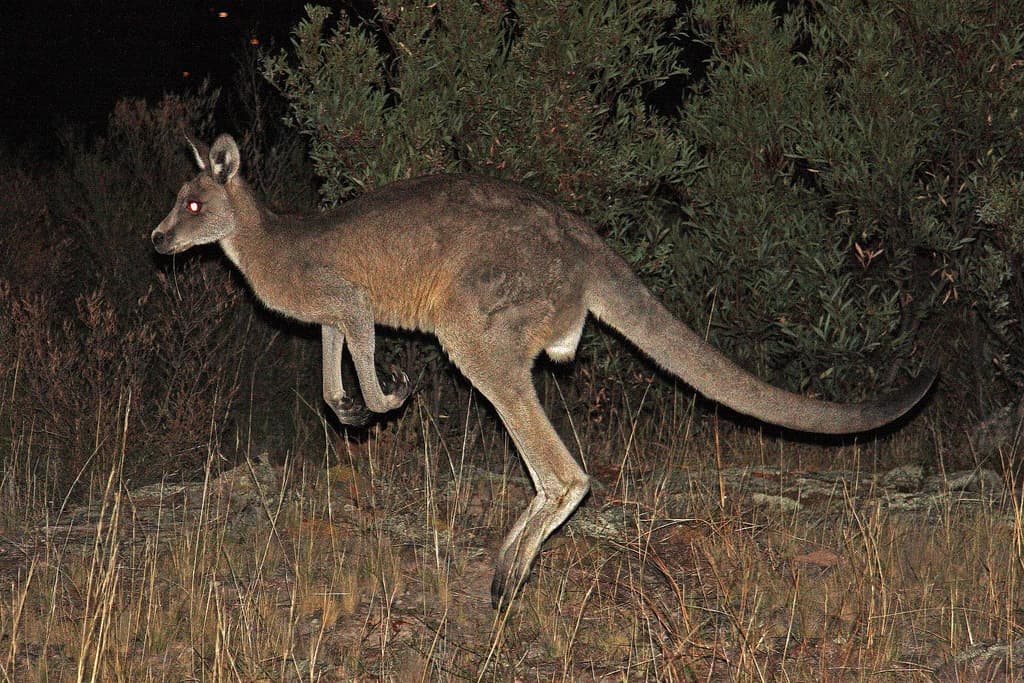
Kangaroos at dusk, penguins after sunset, reef fish on a boat day, dingoes on K’gari. Sightings are not tickets. Enclosures are a different product.
Australian wildlife highlights belong to parks and coasts: kangaroos on island roads, little penguins at Phillip Island, reef fish on a licensed boat, dingoes on K’gari. We do not guarantee animals and we do not rank zoos.
Wild first
Kangaroo Island is park country. Phillip Island is a dusk appointment. The reef is a marine park. K’gari dingoes are wild and have injured people who ignored food rules. Kakadu crocodiles are why you stay out of the water.
Urban wildlife parks and zoos exist. They can be useful for families. They are not substitutes for a national park, and we will not crown one.
Dawn and dusk are when many mammals move. That is also when they stand on roads. If you came for animals, build the day around light, not around a lunch reservation in a different climate.
Ethics without a sermon
Stay in the car when kangaroos are on the verge at dusk. Do not feed dingoes, kookaburras or fish. Do not use flash on penguins. Do not step off boardwalks onto dune-nesting habitat. Do not treat a crocodile warning as folklore.
Wildlife parks and zoos can teach children what a platypus looks like. They are still not Kakadu. They are still not a reef. If your only animal day is an urban enclosure, say so honestly — it can be the right call for a short city break — and do not caption it as wilderness.
Whale seasons exist on several coasts (for example, east-coast humpbacks in winter months). We will not invent a guarantee. Boat operators publish their own codes. Official parks pages outrank this paragraph.
Plan the habitat, not the species list
Australian wildlife highlights belong to parks, coasts and a few dusk appointments. They do not belong to a highlight reel that promises a koala, a kangaroo, a penguin and a reef shark before lunch. Sightings are not tickets. Enclosures are a different product — useful for families, honest when captioned as an urban park, false when captioned as wilderness.
The places this site actually writes about are specific. Kangaroo Island is park country south of Adelaide: New Zealand fur seals at Admirals Arch when they choose to be there, kangaroos and wallabies at dusk on roads, coastal birds, granite at Remarkable Rocks. Phillip Island is a Melbourne dusk product: little penguins coming ashore after sunset at official Nature Parks viewing. The Great Barrier Reef is a marine park you visit as a boat day — fish and coral as the day’s conditions allow. K’gari dingoes are wild and have injured people who ignored food rules. Kakadu crocodiles are why you stay out of the water. Uluru–Kata Tjuta is not a wildlife park; it is Anangu country with desert fauna you may or may not notice while you walk marked tracks.
Typical lengths follow the habitat. Kangaroo Island wants a night because the ferry from Cape Jervis plus Flinders Chase eats a day. Phillip Island wants you to leave Melbourne with hours to spare; the parade time moves with sunset. A reef day is a full day on the water. K’gari wants two or three nights if you self-drive sand. Kakadu wants three to five days from Darwin in the dry. None of those is a zoo hour.
Seasons, light and the hours animals actually move
Dawn and dusk are when many mammals move. That is also when they stand on roads. If you came for kangaroos, build the evening around light and a slow drive, not around a lunch reservation in a different climate. Little penguins are a dusk appointment year-round; winter means earlier darkness and a colder wait. Reef clarity and cancellations follow Queensland weather and, in the far north, a stinger window typically November to May. Kakadu’s dry (about May to October) concentrates wildlife at remaining water; the wet spreads water and closes roads. K’gari dingoes do not take a season off. Neither do saltwater crocodiles.
Whale seasons exist on several coasts. East-coast humpbacks in winter months are the example first-timers hear. Licensed boats publish codes. We will not invent a guarantee or a #1 operator. Southern right whales use other stretches in other months; check the state parks or marine-park page for the coast you are actually on.
The 2019–20 fires changed large parts of Kangaroo Island. Recovery is uneven. Some walks reopened; some habitats will take years. Check National Parks and Wildlife Service South Australia before you promise anyone a specific boardwalk or a koala patch.
Bases, ethics and what we will not pretend
Adelaide is the hinge for Kangaroo Island; Cape Jervis is the ferry port. Melbourne is the hinge for Phillip Island; Cowes is the island town. Cairns, Port Douglas or the Whitsundays are the reef launchpads. Hervey Bay and Rainbow Beach share the Fraser Coast conversation. Darwin is the Kakadu hinge. Those airports are not interchangeable.
Ethics without a sermon: stay in the car when kangaroos are on the verge at dusk. Do not feed dingoes, kookaburras or fish. Do not use flash on penguins. Do not step off boardwalks onto dune-nesting habitat. Do not treat a crocodile warning as folklore. Do not stand on dunes at the penguin parade. Do not store food in tents on K’gari as if the island were a suburban campsite.
Urban wildlife parks and zoos can teach a child what a platypus looks like. They can be the right call on a short city break. They are still not Kakadu. They are still not a reef. Say so honestly. We will not crown one enclosure.
What to drop from a “see the animals” whiteboard
Drop combining Phillip Island and the Great Ocean Road on the same daylight — they are different Victorian coasts. Drop treating Kangaroo Island as an Adelaide morning. Drop a 2WD city hire onto 75 Mile Beach. Drop swimming in Kakadu because a photograph lacked a crocodile. Drop stacking a reef steam and a Cape Tribulation swim. Drop a species shopping list that requires four states in ten days.
Keep official viewing at Phillip Island. Keep the Parks Australia pass for Kakadu. Keep Queensland Parks rules on K’gari. Keep the marine-park briefing on the boat. Keep the with kids honesty: dusk wind, long boats, and heat are limits. Keep sibling links to the place pages rather than inventing a second wildlife URL for each animal.
Sibling pages and official sources
The parent themes sit with attractions and national parks. State context lives on South Australia, Victoria, Queensland and the Northern Territory. Sample loops that include a wildlife chapter include the Red Centre week only in the desert-fauna sense — do not staple Kakadu onto it — and Tasmania in ten days if wombats on Cradle roads are the island bonus, not the plan.
Confirm penguin tickets and no-flash rules with Phillip Island Nature Parks. Confirm island access with NPWSSA. Confirm dingo and permit rules with Queensland Parks. Confirm crocodile and road status with Parks Australia. Confirm reef conduct with GBRMPA. This page will not guarantee an animal, invent a fare, or rank a zoo. If the whiteboard still lists four states of fauna in ten days, subtract until the habitat matches the airport — then read the place page for that park. Wild first, enclosure second, guarantee never. Official park rules outrank a highlight reel, including this one. Plan the park. Accept the empty hour. Leave the selfie script at home.
Questions
What travellers always ask
In many parks and at dusk on rural roads — including Kangaroo Island. They are not scheduled. Drive slowly.
Passes
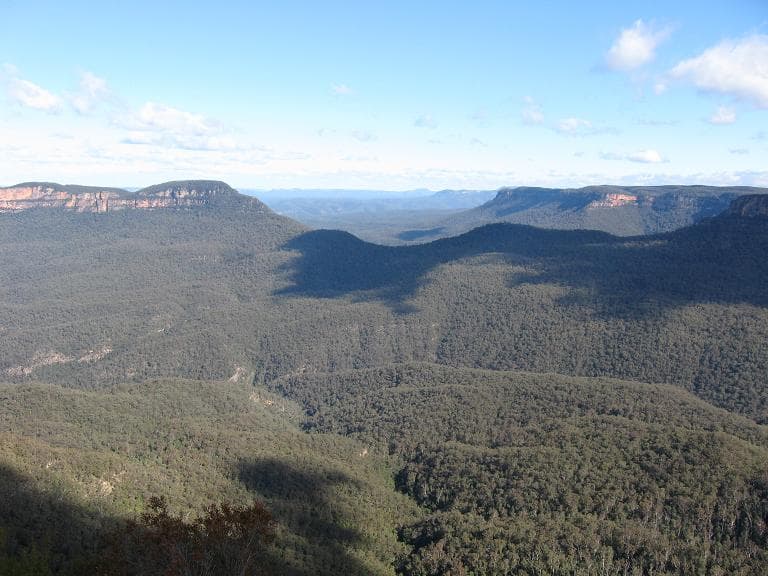
National parks
Park-pass orientation and which agency to check. Official links only.
Coast
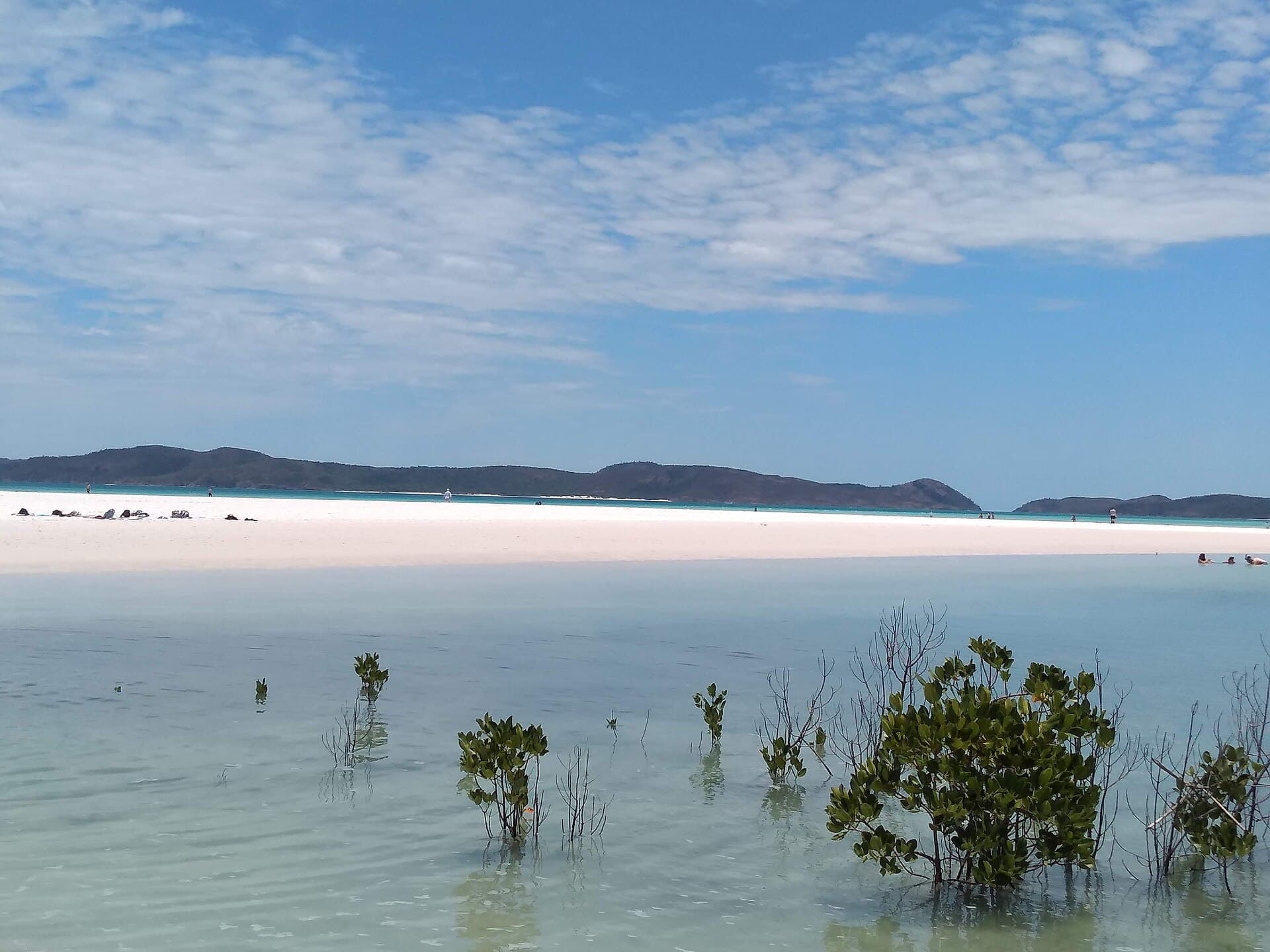
Beaches
Bondi, Whitehaven, Wineglass, and why a beach is not a whole holiday.
Animals
Wildlife
Kangaroos, penguins, reef days, and parks where animals are wild — not a zoo list.
Families
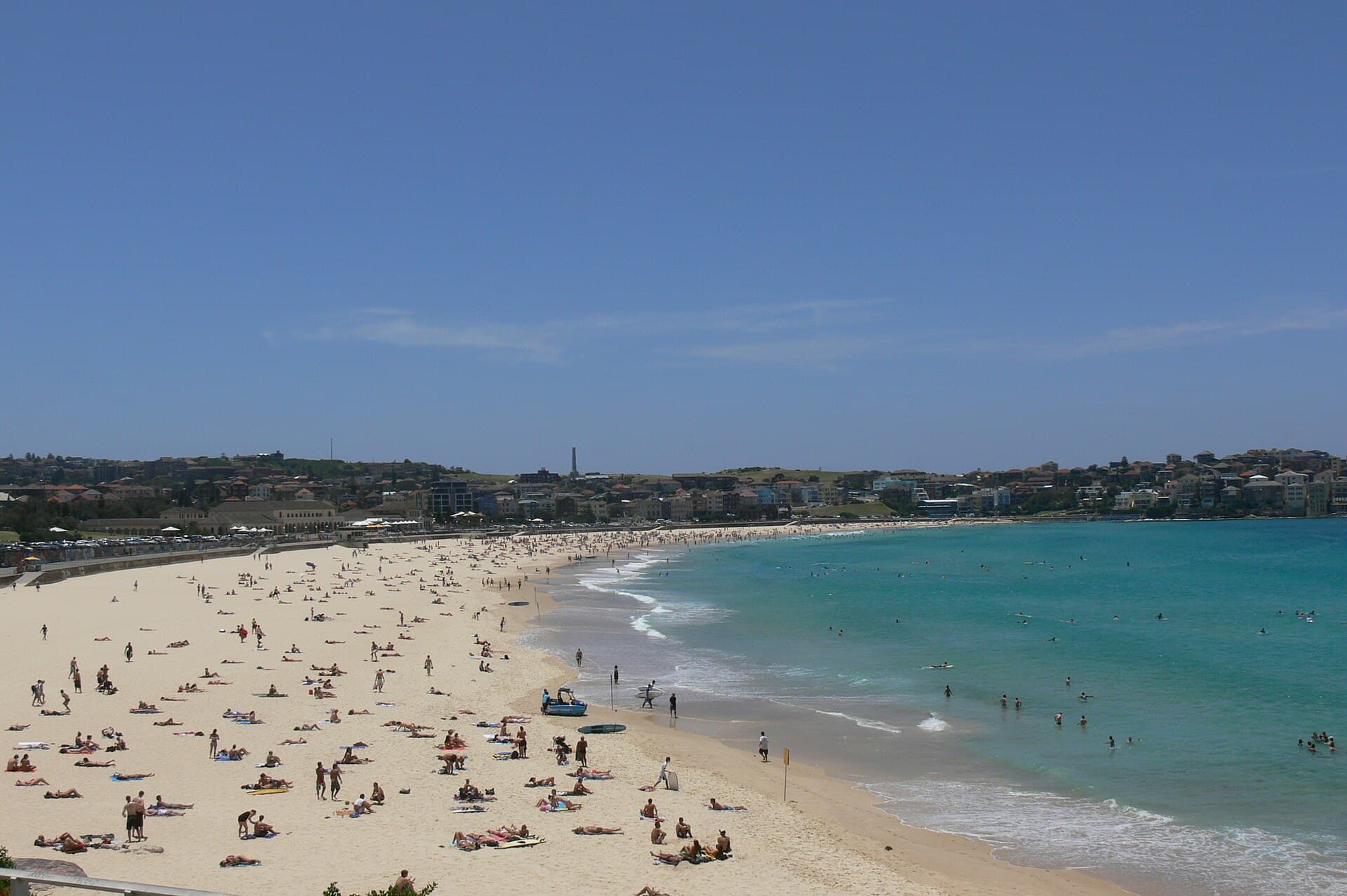
With kids
Which icons work with short legs, heat, and strollers — and which do not.
Read the park page
Animals follow habitat and season, not a highlight reel.