Families
Australia with kids — which attractions actually fit?
Short walks, patrolled beaches, and dusk appointments beat hero treks. Heat, stingers and stairs are the honest limits.
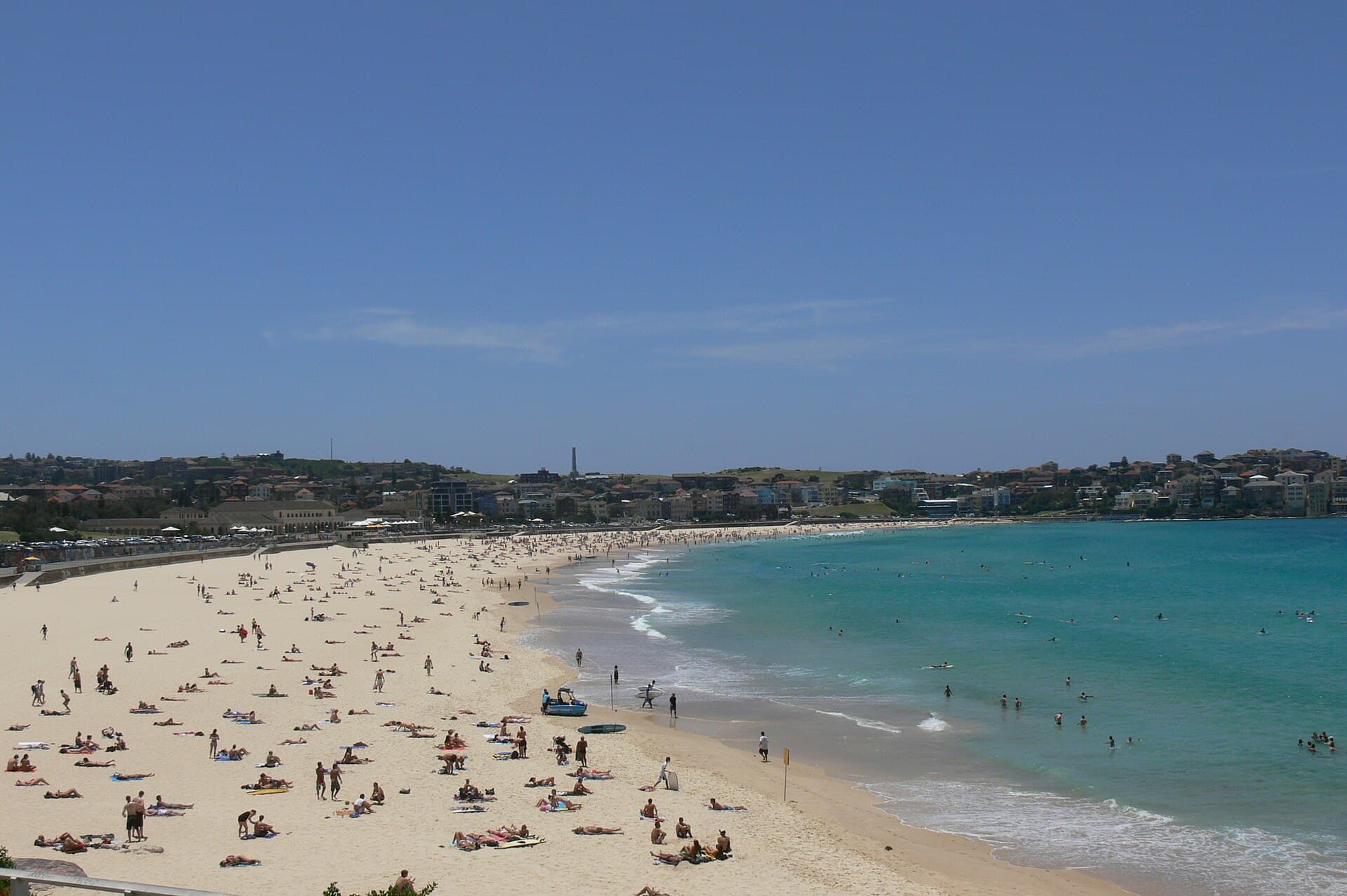
Australia with kids works best around harbour promenades, a section of the Bondi to Coogee walk, a penguin parade, patrolled Gold Coast beaches, and carefully timed park days. Uluru in summer heat and a long outer-reef crossing need more honesty than a brochure.
What usually works
Sydney’s Opera House forecourt and a ferry are high reward, low wilderness. The Bondi to Coogee path can be cut at Bronte. Phillip Island is a dusk show if you book official seats and pack coats. Gold Coast beaches are patrolled — theme parks optional. Wineglass Bay lookout is steep; many families stop at the first platform.
What needs a conversation
Uluru in January is a heat problem. A reef day is a long boat. Cradle Mountain is alpine weather. K’gari has dingoes and beach driving. Kakadu has crocodiles and distances.
We do not publish age minimums for commercial products. Operators do. Ask them. See states to pick one climate.
A practical subtract list
Subtract midday Uluru walks in January. Subtract outer-reef steams if someone in the party is already miserable on ferries. Subtract the full Bondi–Coogee distance if you have a toddler and a heatwave. Subtract the Overland Track from a Cradle day. Subtract K’gari beach driving if no adult has driven sand. Subtract Kakadu swimming entirely.
Keep Circular Quay. Keep a ferry. Keep a section of clifftop path. Keep a penguin parade with coats. Keep a patrolled beach. Keep a short rainforest boardwalk. Keep ice cream as infrastructure.
Strollers and sandstone stairs are enemies. Car seats on domestic flights are a logistics problem you solve with the airline, not with this guide. We do not invent age minimums for commercial climbs or boats — operators do.
How a family day actually runs in this country
Australia with kids works when you shorten the walk, keep the ice cream, and refuse the stacked daylight that looks good on a whiteboard. Harbour promenades, a section of clifftop path, a dusk appointment with coats, and a patrolled beach are high reward. Hero treks, extreme heat and long outer-reef crossings are the conversation you have before you book, not after a child is already miserable.
Typical lengths that usually fit: the Sydney Opera House forecourt and a ferry — an hour or two of wonder without wilderness. A Bondi to Coogee section as far as Bronte, not necessarily the full six kilometres. Phillip Island official viewing if you book seats, arrive before dusk, and pack layers for Bass Strait wind. Gold Coast flags for a swim that has lifeguards in season. A short rainforest boardwalk in the Daintree if you skip the “just at the edge” creek. Wineglass Bay first platform or Cape Tourville if the lookout stairs are a fight.
Typical lengths that need a conversation: Uluru in cooler months with short marked walks and a long midday rest — two park days, not a four-hour coach photo stop, and not January heat as a character test. A Great Barrier Reef day as a long boat with briefings and, in the far north, stinger suits typically November to May. Cradle Mountain as alpine weather that can be white in January. K’gari as dingoes plus beach driving. Kakadu as crocodiles plus distances.
Seasons are a family planning tool
Cooler months — about April to September — are why an Uluru walk with children can be kind. Summer in the Centre is a heat-safety limit; Parks Australia closes walks, and you should believe the sign. Tropical north Queensland’s wetter summer is humidity, rain and a higher chance of cancelled boats; the mid-year dry is often easier on a first family reef day, still not a warranty. Tasmania’s walking summer is roughly December to April, and Cradle still wants layers. Southern beaches have rips in every season; flags still matter in July.
School-holiday crowds fill Circular Quay, Echo Point and sunrise car parks at Uluru. That is not a reason to skip those places. It is a reason not to stack them with a second climate on the same ticket. If the calendar is ten days, read first trip, 10 days and pick one climate plus one harbour city.
Bases, stairs and the airports families actually use
Sydney is the easiest family hinge for icons: ferries, promenades, and a Blue Mountains day that you do not add to a harbour morning. Melbourne is the hinge for a city-plus-penguins dusk or a city-plus-Ocean-Road overnight — not both coasts. Cairns or Port Douglas can work for a reef-and-boardwalk pair if someone in the party is not already miserable on boats. Gold Coast Airport serves a beach-city week with optional theme parks; we will not rank the parks or invent ages.
Strollers and sandstone stairs are enemies — Opera House Monumental Steps, Bondi cliff stairs, Wineglass lookout, Echo Point extra walks. Car seats on domestic flights are an airline problem. Accommodation at Yulara is the Uluru family base because there is no secret third town. Cradle Valley beds fill in January; book early or accept a day trip that can deliver a white wall.
What to drop so the week stays kind
Subtract midday Uluru walks in January. Subtract outer-reef steams if ferries already went badly. Subtract the full Bondi–Coogee distance in a heatwave. Subtract the Overland Track from a Cradle day. Subtract K’gari beach driving if no adult has driven sand. Subtract Kakadu swimming entirely. Subtract penguins and the Twelve Apostles on the same Victorian daylight. Subtract treating Whitehaven as a Gold Coast morning.
Keep Circular Quay. Keep a ferry. Keep a section of clifftop path. Keep a penguin parade with coats. Keep a patrolled beach. Keep a short boardwalk. Keep a buffer day. Keep ice cream as infrastructure.
We do not publish age minimums for commercial climbs, boats or island 4WD products. Operators do. Ask them. Ask Parks Australia or the state parks service about walk closures. This page will not invent a medical claim about heat or stings; it will tell you to follow official briefings and to choose a shorter day.
Sibling pages for the family whiteboard
State context: New South Wales, Victoria, Queensland. Place pages: Bondi to Coogee, Phillip Island, Gold Coast, Uluru, Great Barrier Reef. Theme siblings: beaches for flags and rips, wildlife for no-flash and no-feed rules, national parks for which agency sells the pass. Sample loops: the east-coast fortnight if you can stretch to fourteen and still protect one boat day; the Red Centre week only if the dates are cool enough.
Verify tour access with the Sydney Opera House. Verify penguin rules with Phillip Island Nature Parks. Verify park heat closures with Parks Australia. Verify reef briefings with the licensed operator and GBRMPA context. Official pages outrank a family brochure — including this one.
A family subtract list, restated as nights
If you have four nights in Sydney, keep the harbour and one highland or one coastal walk — not both plus a show plus a climb. If you have a Melbourne long weekend, keep the city and penguins or the city and an Ocean Road overnight. If you have a Cairns week, keep one boat day and one short boardwalk, then rest. If Uluru is the ticket, keep cooler months, short marked tracks, and the cultural centre as the midday plan. Those cuts are how children still like the country on day six. Shorten the walk. Keep the ferry. Verify the official page before you promise a boat or a desert morning.
Questions
What travellers always ask
Start with Sydney Harbour, a Bondi–Bronte section, Phillip Island penguins, and patrolled beaches. Add Uluru or a reef day only if the season and the child’s stamina match.
Passes
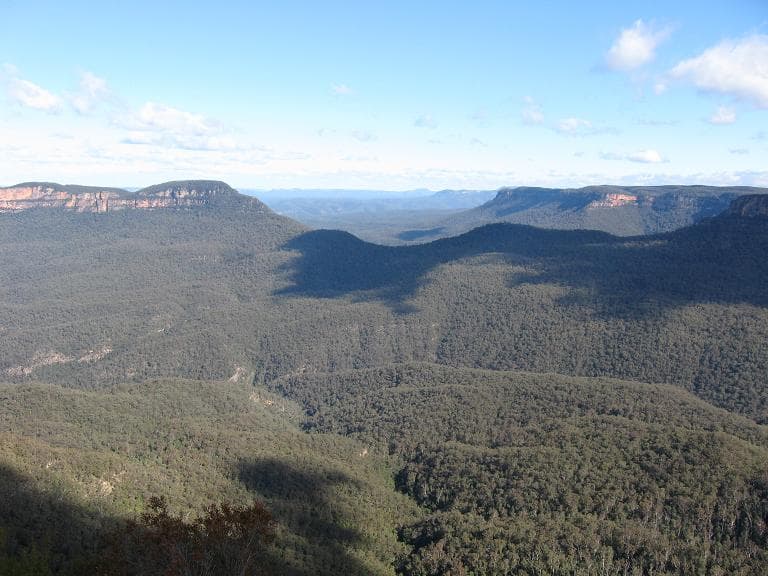
National parks
Park-pass orientation and which agency to check. Official links only.
Coast
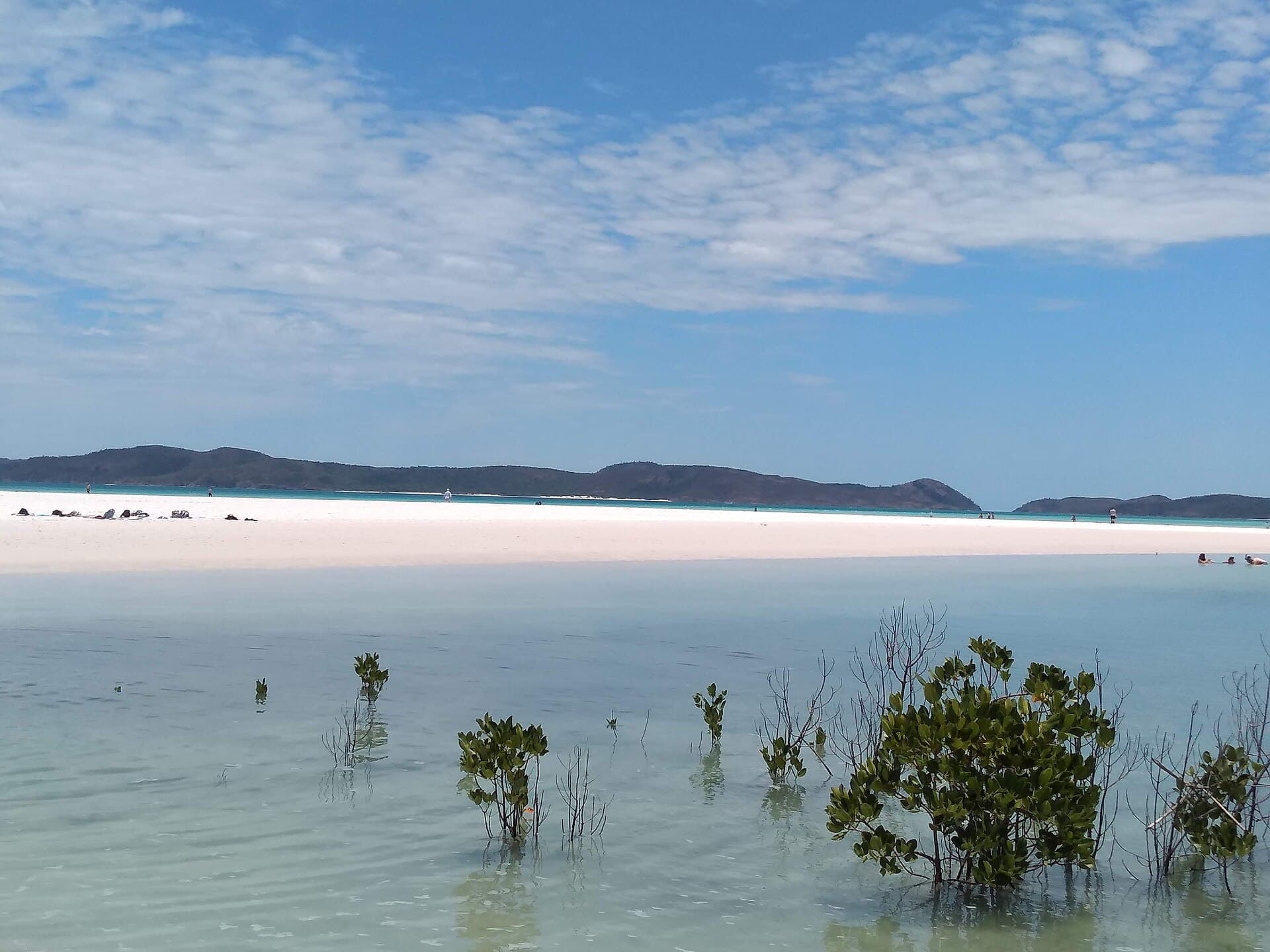
Beaches
Bondi, Whitehaven, Wineglass, and why a beach is not a whole holiday.
Animals
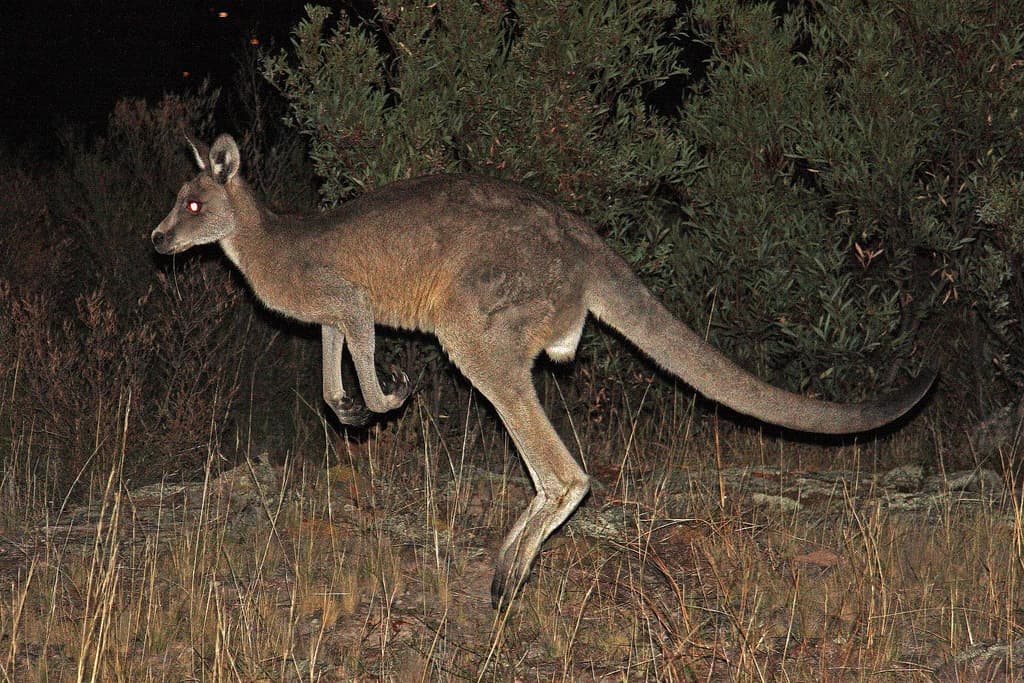
Wildlife
Kangaroos, penguins, reef days, and parks where animals are wild — not a zoo list.
Families
With kids
Which icons work with short legs, heat, and strollers — and which do not.
Shorten the walk, keep the ice cream
Then open the attraction page and cut the stacked day.